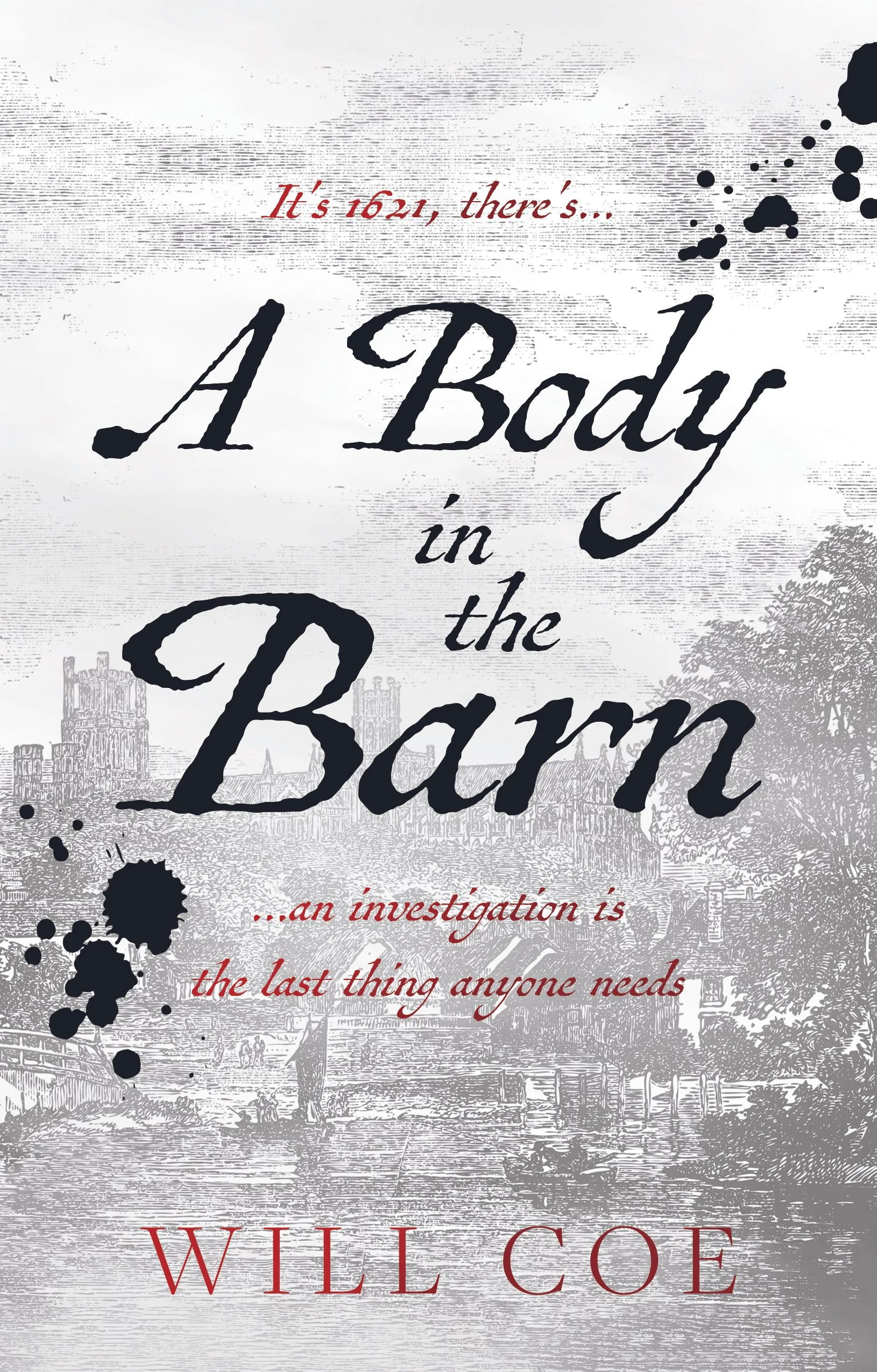
A Body in the Barn
Handsome, naked and murdered in a barn on the edge of the fens. A fate that poses many questions. But who wants them asked let alone answered? Certainly not the local lord anxious to keep his dubious land dealings out of the public eye. Luckily, he has a tame constable and a needy cousin who can be persuaded to dispose of the body decently but without reporting it. Unfortunately, that’s a hanging offence were it to be discovered.
There it might have ended if the body hadn’t been that of a man who’d caught the king’s eye and the cousin hadn’t been Oliver Cromwell, in his “ungodly” days before Puritanism enraptured him. His problem – which he takes time to realise – is not that the debauched courtiers of King James also want the murder concealed but that they have ordered a marshal to eliminate anyone who found out about it.
Threatened with the marshal’s dagger as well as the hangman’s rope, Cromwell must balance the need to unravel what he is involved in with the urgency of not being connected to it.
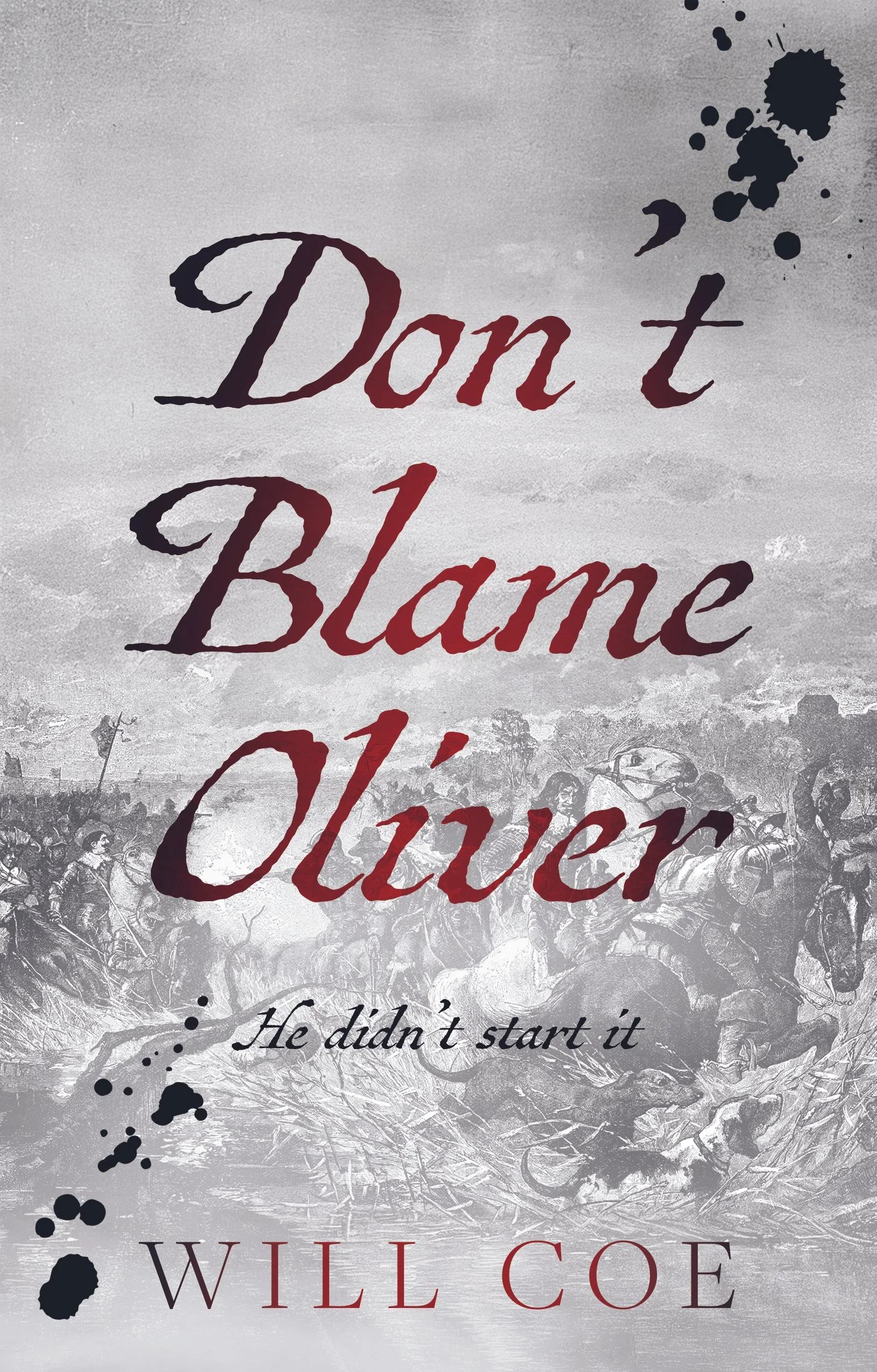
Don’t Blame Oliver
Die gloriously or be forgotten forever, that was the dilemma facing John Thurloe, Cromwell’s Secretary of State and spymaster. Make a defiant speech on the scaffold or save your life by helping a Restoration propagandist distort the history of the English civil war and dismiss your role in it?
Thurloe opted for unctuous survival while secretly penning a counterblast to Lord Clarendon’s History of the Rebellion, a Stuart encomium.
His rollicking account reveals how he exploited the birth of the popular newspaper (when media first went social) and embraced the feminism which briefly dawned when all men were dragged to war. By lionising Cromwell in hearts and minds, Thurloe enabled a wart nosed commoner to replace an anointed king.
His True Account of the Revolution captures the essence of civil war, where what happens on street corners, in parlours, bedchambers, churches, taprooms and brothels is as important as battlefield action. It illuminates England’s march to regicide through Thurloe’s adventures with Marchamont Nedham, the first great journalist; Nicholas Culpeper, the famous herbalist; and Lady Carlisle, the inspiration behind Dumas’s Milady de Winter.
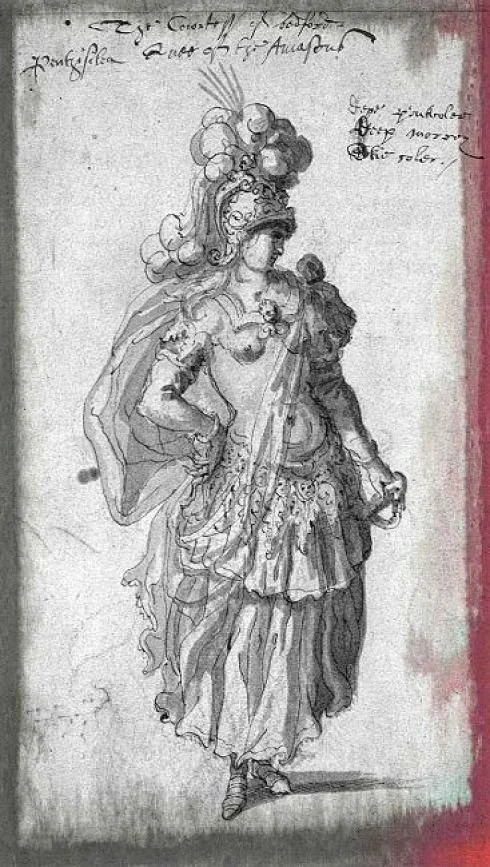
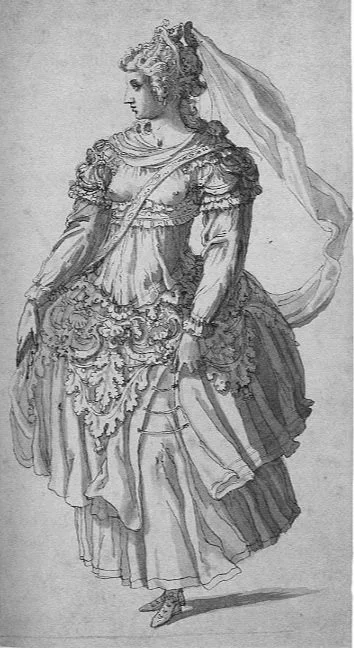
The Two Masqueteers
The third novel in Will Coe’s STUART SET will be published in 2027.